Elderly Care Essentials

Duration
40h
Students
7
Level
Intermediate
Last Updated
January 30, 2025
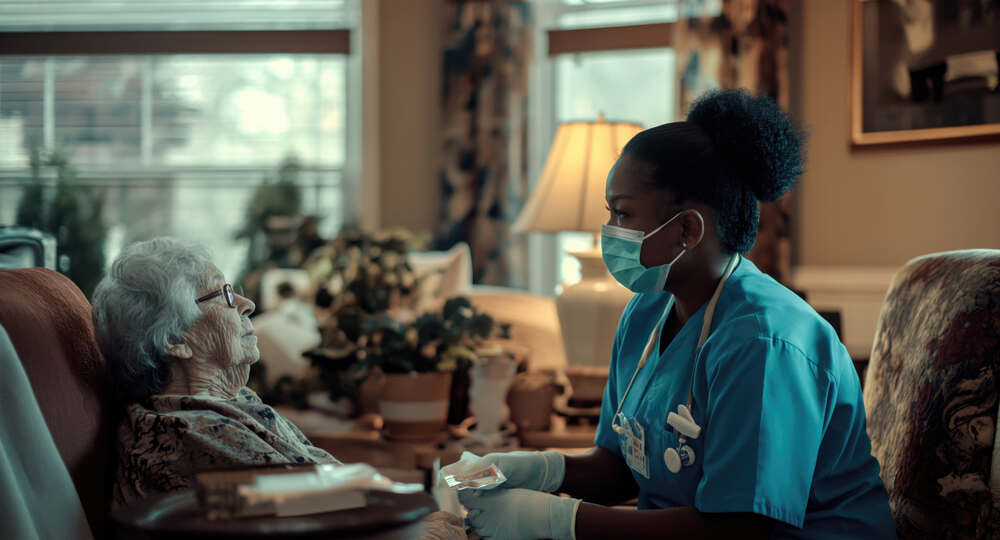
Course Title: Elderly Care Essentials
Course Introduction:
As our population continues to age, it becomes increasingly important to understand how to provide the best care for elderly individuals. This course on Elderly Care Essentials is designed to equip learners with fundamental knowledge, practical skills, and compassionate techniques needed to care for older adults. Whether you're a caregiver, healthcare professional, or a family member looking to support a loved one, this course will help you understand the unique challenges faced by the elderly and how to manage them with care, dignity, and respect.
What You Will Learn:
- Key concepts of elderly care, aging processes, and health challenges.
- Techniques for managing physical, mental, and emotional health in older adults.
- Best practices for caregiving, including communication, nutrition, and safety.
- The importance of a holistic approach to elderly care, addressing both individual needs and family involvement.
- Legal and ethical considerations in elderly care.
- Methods for handling emergencies and caregiving in a crisis situation.
Target Audience:
- Family caregivers of elderly individuals.
- Healthcare professionals, including nurses, caregivers, and therapists.
- Social workers involved in elder care.
- People considering a career in elderly care.
- Anyone interested in improving their knowledge of elderly care and caregiving.
Module 1: Understanding Aging and Elderly Health
Module Description:
This module provides a comprehensive understanding of the aging process, common health issues in elderly individuals, and the overall needs that come with aging. It emphasizes the importance of knowing how to approach and manage these challenges in a way that ensures quality of life and promotes dignity.
Learning Outcomes:
By the end of this module, participants will be able to:
- Describe the physical, mental, and emotional changes that occur with aging.
- Identify the most common health issues affecting older adults.
- Recognize signs and symptoms that require medical attention.
- Understand the role of preventive healthcare in elderly care.
Topics Covered:
- The Aging Process: Understanding the biological, psychological, and social aspects of aging.
- Common Physical Health Issues: Chronic diseases, mobility issues, and sensory impairments (vision, hearing).
- Cognitive Changes: Dementia, Alzheimer's disease, and other cognitive disorders.
- Mental Health in Older Adults: Depression, anxiety, and isolation.
- Physical Activity and Elderly Health: The importance of movement and exercise.
- Nutrition and Hydration: Special dietary needs for older adults.
- Medication Management: Common medications and their effects on elderly health.
- Pain Management in the Elderly: Approaches to managing chronic pain.
- Preventive Healthcare: Vaccinations, screenings, and health check-ups.
- Role of Caregiver in Managing Health: How caregivers can support health management effectively.
Module 2: Daily Caregiving Skills and Techniques
Module Description:
This module focuses on the practical skills required for providing daily care to the elderly. It covers personal care, mobility assistance, and maintaining a comfortable environment, all while ensuring the safety and dignity of the elderly individual.
Learning Outcomes:
By the end of this module, participants will be able to:
- Perform basic personal care tasks such as bathing, dressing, and grooming.
- Assist with mobility and transferring elderly individuals safely.
- Provide a safe living environment for elderly individuals.
- Develop communication techniques that respect the elderly's dignity and autonomy.
Topics Covered:
- Bathing, Dressing, and Grooming: Techniques for assisting with personal hygiene.
- Managing Incontinence: Techniques for care and managing bathroom needs.
- Feeding and Nutrition Assistance: Preparing meals and assisting with eating.
- Mobility Assistance: Techniques for helping with walking, standing, and transferring.
- Safe Use of Medical Equipment: Using walkers, wheelchairs, and other assistive devices.
- Preventing Falls and Accidents: Creating a safe environment to prevent falls.
- Maintaining Comfort: Adjusting positioning, managing bedding, and ensuring comfort.
- Personal Care with Respect: Communicating with dignity while performing care tasks.
- Managing Behavioral Changes: Addressing confusion, aggression, and other common behavioral issues.
- Emergency Preparedness in Daily Care: What to do in case of medical emergencies.
Module 3: Emotional and Social Support for Elderly Individuals
Module Description:
This module delves into the emotional, psychological, and social aspects of elderly care. It emphasizes the importance of providing emotional support and promoting social engagement, which are essential for maintaining the overall well-being of elderly individuals.
Learning Outcomes:
By the end of this module, participants will be able to:
- Understand the emotional needs of elderly individuals.
- Recognize signs of emotional distress and how to address them.
- Develop strategies to improve communication and reduce isolation.
- Create a supportive social environment for elderly individuals.
Topics Covered:
- The Role of Emotional Support: How to listen, empathize, and offer comfort.
- Dealing with Loneliness and Isolation: Techniques to encourage social interaction and reduce isolation.
- Cognitive Decline and Emotional Health: Understanding the link between cognitive decline and emotional health.
- Supporting Independence and Autonomy: Encouraging decision-making and independence.
- Addressing Depression and Anxiety: Identifying and addressing emotional distress.
- Caregiver-Recipient Relationships: Building trust and maintaining a positive relationship.
- Engaging Activities for the Elderly: Brain exercises, games, and other activities to stimulate mental health.
- Maintaining Family Connections: Encouraging family involvement and communication.
- Spiritual Care and Elderly Well-being: The role of spirituality in aging.
- Palliative Care and End-of-Life Issues: Providing comfort and dignity in the later stages of life.
Conclusion:
The Elderly Care Essentials course provides learners with a deep understanding of the physiological, psychological, and emotional needs of elderly individuals. This course will empower you with the skills to offer compassionate, competent, and respectful care, ensuring that the elderly live their later years with dignity, comfort, and support.
This course structure will provide a balanced approach to elderly care, blending both practical caregiving techniques with emotional and psychological support strategies. It is designed to cater to both beginners and those with some experience in elderly care, ensuring a well-rounded and comprehensive learning experience.
- 3 Sections
- 30 Lessons
- 3 Quizzes
- 3 Assignments
- 40h Duration
Module 1: Understanding Aging and Elderly Health
Module 2: Daily Caregiving Skills and Techniques
Module 3: Emotional and Social Support for Elderly Individuals
Reviews
-
Dec 17, 2024 @ 6:36 am
Straight forward contents, very educative
You must be logged in to submit a review.
R1,200.00
Course Includes
- Comprehensive Elderly Care
- Supportive Care Techniques
- End-of-Life Comfort Focus